What Is the “Season” for Figure Skating?
A Beginner Skating Parent’s Guide to Understanding the Year-Round Rhythm of the Sport
One of the most common questions new skating parents ask is: “When is figure skating season?”
The simple answer is: Figure skating is a year-round sport.
Unlike many school sports that have one clear season, figure skating does not have a true “off season.” Skaters train throughout the year, but the focus of training changes depending on the time of year, the skater’s level, and their goals.
For some skaters, the year may be focused on learning basic skills. For others, it may include testing, local competitions, Excel events, qualifying competitions, shows, camps, or national and international goals.
The question is, “What part of the skating year is my skater in right now?”
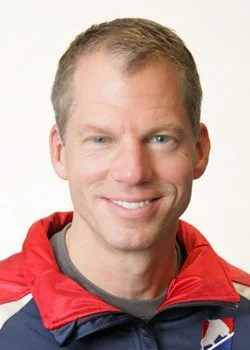
Coach Tom Zakrajsek
The Skating Year Is Broken Into Training Sections
Even though skating is year-round, good coaching does not mean doing the exact same thing every month.
Coaches often use a planned training approach called periodization. Coach Tom Zakrajsek, an Olympic and World-level coach, teaches that athletes should have carefully crafted long-term goals that are broken into shorter, specific goals. His training materials focus on periodization, planning, competition readiness, and helping skaters build toward higher-level competition over time.
Skaters train all year, but they do not train the same way all year.
A skater’s year may include:
Skill-building time
This is when skaters focus on edges, balance, turns, speed, jumps, spins, body alignment, stroking, confidence, and basic skating quality.Program-building time
This is when skaters learn choreography, music timing, performance quality, and how to connect elements together.Testing preparation
This is when skaters work toward passing U.S. Figure Skating tests in skating skills, singles, pairs, or ice dance.Competition preparation
This is when the training becomes more focused on consistency, run-throughs, presentation, stamina, and performing under pressure.Recovery and reset time
This does not mean quitting skating. It may mean lighter training, learning new skills, attending camp, working off ice, improving strength and balance, or refreshing motivation.
Testing Can Happen Throughout the Year
Testing is one of the major ways skaters move through the sport.
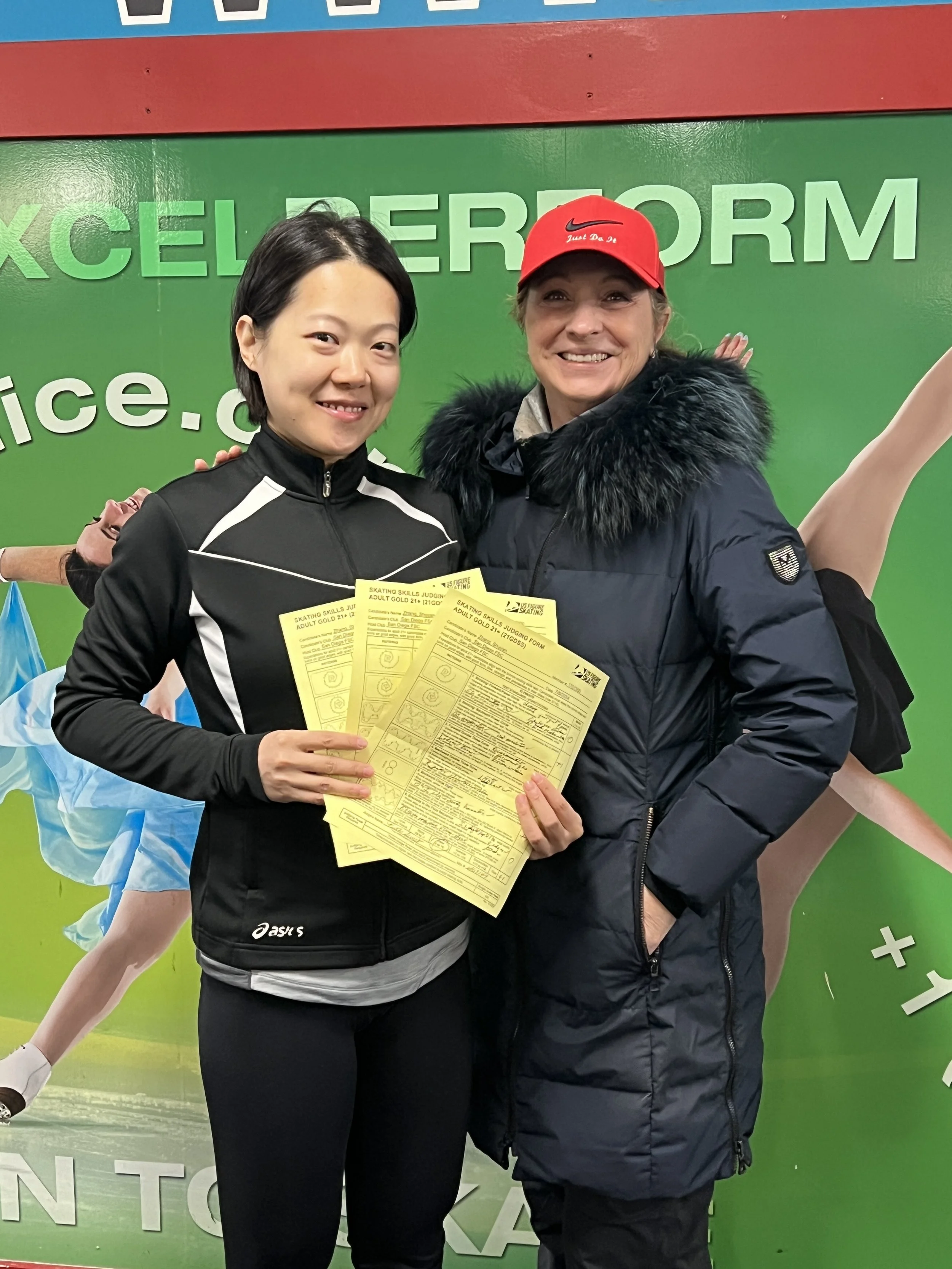
U.S. Figure Skating explains that tests serve as a prerequisite for competition and also give athletes the opportunity to achieve personal goals. Test sessions are hosted by clubs and allow skaters to demonstrate their abilities and advance to the next level.
For many skaters, especially beyond the beginner levels, testing becomes part of the yearly plan.
A skater may spend several months preparing for a skating skills test, singles test, dance test, or other pathway. Some skaters test once a year. Others may test several times depending on their age, level, consistency, coaching plan, and goals.
This is one reason skating feels different from a short seasonal sport. Progress is not only measured by games or competitions. It is also measured by skill development, passed tests, improved skating quality, stronger habits, and growing confidence.
Competitions Happen at Different Times for Different Levels
There is not just one competition season for every skater.
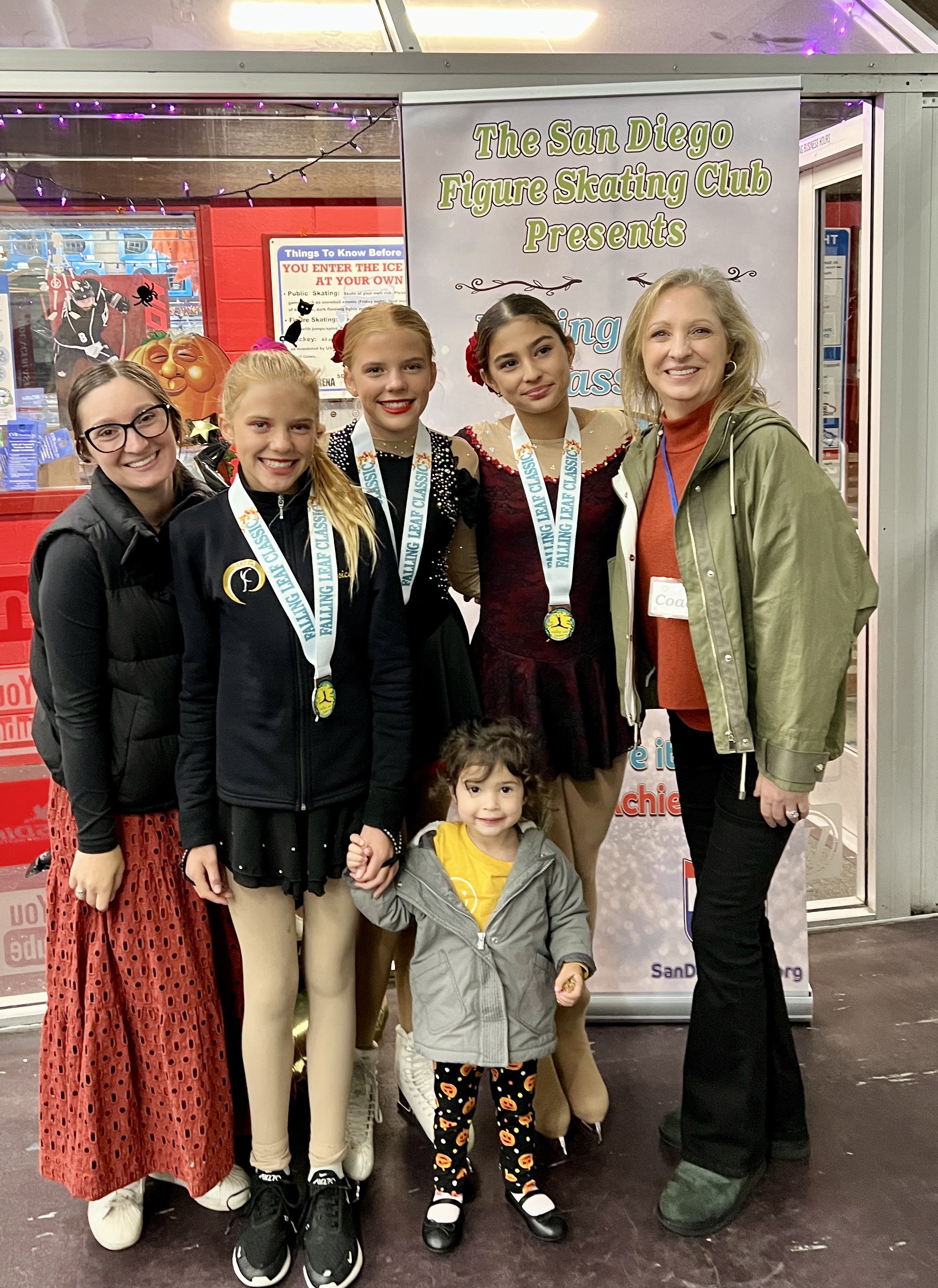
For beginner skaters, the first competition experience is often a Compete USA event. U.S. Figure Skating describes Compete USA as a fun, introductory competitive experience for beginner skaters and a positive grassroots opportunity. It also reminds families that competition is not just about winning; it is a chance to show skills, receive feedback, and build competitive spirit.
For skaters who want more opportunities, U.S. Figure Skating also offers nonqualifying competitions. These events do not qualify skaters to the U.S. or World Championships, but they do give skaters opportunities to compete, develop skills, gain experience, and deepen their involvement in the sport.
For more advanced competitive skaters, the U.S. Figure Skating National Qualifying Series begins in the summer and continues into the fall. For the 2026–27 season, U.S. Figure Skating announced that the National Qualifying Series begins in July, runs through October, and culminates with NQS Finals in November.
Internationally, the ISU calendar also shows that the competitive year stretches across many months. The 2026–27 ISU Junior Grand Prix begins in August, the senior Grand Prix Series opens in October, the Grand Prix Final is scheduled for December, and the season builds toward major championships later in the year.
So when parents hear people say “competition season,” they may be talking about different things depending on the skater’s level.
A beginner’s competition season may be one local event.
An Excel skater may be planning around a series and summer final.
A qualifying skater may be preparing for summer and fall qualifying events.
An international skater may be planning around Junior Grand Prix, Grand Prix, Nationals, Worlds, or the Olympic cycle.
Summer Is Not the Off Season
Many parents assume summer is the break from skating, but in figure skating, summer is often one of the most valuable training times of the year.
Summer may include skating camps, extra practice time, program choreography, new skill development, test preparation, local competitions, excel events, showcase events, and off-ice conditioning.
U.S. Figure Skating’s Excel National Festival is held annually in July and includes opportunities for skaters from Aspire through senior levels. National Showcase also takes place in the summer, with the 2026 National Showcase scheduled for August 3–8.
For beginner skaters, summer can be especially helpful because they often make progress faster when they skate more consistently. A skater who continues lessons or attends camp over the summer often returns to the regular school-year schedule stronger, more confident, and more comfortable on the ice.
What This Means for First-Year Skating Parents
If your skater is in their first year, you do not need to worry about the entire competitive calendar yet.
What you do need to understand is that: Figure Skating rewards consistency.
A beginner skater who skates regularly, learns strong basic skills, listens to their coach, and builds confidence over time is developing the foundation they will need for whatever direction they choose later.
That direction may be recreational skating, group classes, private lessons, testing, Compete USA, Excel, Showcase, synchronized skating, theater on ice, solo dance, or a higher competitive track.
The first year is not about rushing.
The first year is about learning how the sport works, helping your skater build good habits, and giving them enough positive experiences to want to keep going.
A Simple Way to Think About the Skating Year
Here is an easy parent-friendly way to understand the rhythm of figure skating:
Summer: Build skills, attend camp, learn programs, prepare for tests or early competitions.
Fall: Compete, test, strengthen programs, adjust goals.
Winter: Perform in Holiday Shows, compete, continue lessons, maintain consistency through holidays and school schedules.
Spring: Reset goals, test, build new skills, plan the next level, and prepare for summer training.
This is not a strict calendar for every skater. It is a general rhythm.
Your skater’s exact plan should always be based on their age, level, interest, coach’s guidance, family schedule, and long-term goals.
The Bottom Line
Figure skating does not have one simple season. In figure skating, the “season” is really the journey from one milestone to the next.
It is a year-round sport with different sections for training, testing, competition, performance, recovery, and growth. The goal is to understand where your skater is in the process and support the next right step.
Need Help Understanding Your Skater’s Next Step?
If you are new to figure skating, it can be hard to know what comes next.
Should your skater keep taking group classes? Should your skater test, compete, join a camp, or simply keep building confidence? Is it time to look for a private coach? How do you know which coach is the right fit?
You do not have to figure it out alone!
I would be happy to help you understand the process, find the right direction, and make confident decisions for your beginner skater.