What To Do When Your Ice Rink Closes for Maintenance
A Beginner Parent’s Guide to Keeping Your Young Skater Active & Improving Off the Ice
When a rink closes for maintenance, parents often worry: “Will my child forget everything?” “Will they fall behind?” “Should we stop skating until the rink reopens?”
The good news is that beginner skaters can continue building many important skating skills even when they are not on the ice. During the COVID shutdowns, coaches became incredibly creative and created a ton of resources. Here are some of my favorite resources to use if your ice rink is closed this summer!
First: Explore Nearby Ice Options
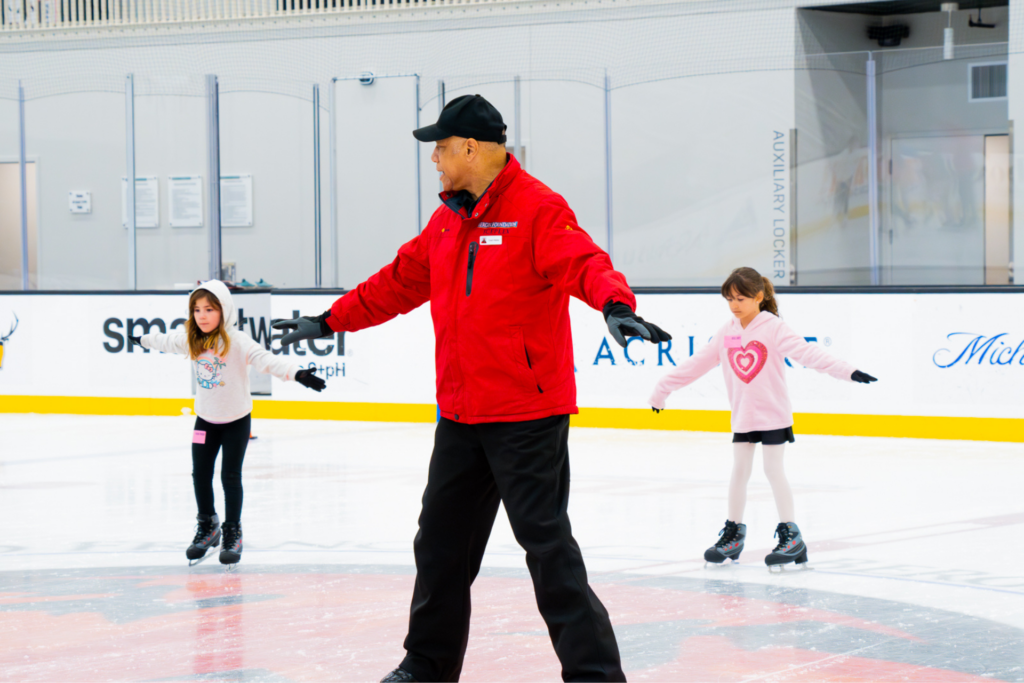
Image: Berger Foundation Iceplex
When a rink temporarily closes, many skating coaches will try to arrange lessons and practice sessions at a nearby rink whenever possible. This helps skaters maintain their current skating routine going. Most coaches understand how important consistency is for young skaters and will try to help families find solutions whenever possible.
If your skater already has a private coach, ask:
Which nearby rink they may be teaching at temporarily
Which sessions are best for beginner skaters
Whether group lessons or semi-private options may still be available
You do NOT need perfect training conditions. For beginner skaters still in group lessons or just starting out, even occasional practice at another nearby rink can be extremely helpful. Many skaters actually enjoy visiting new rinks because it feels exciting and helps build confidence skating in different environments.
The goal is simply helping your child stay comfortable on the ice, continue building confidence, practice basic balance skills, and have FUN!
Beginner Skaters Are Still Learning Basic Athletic Skills
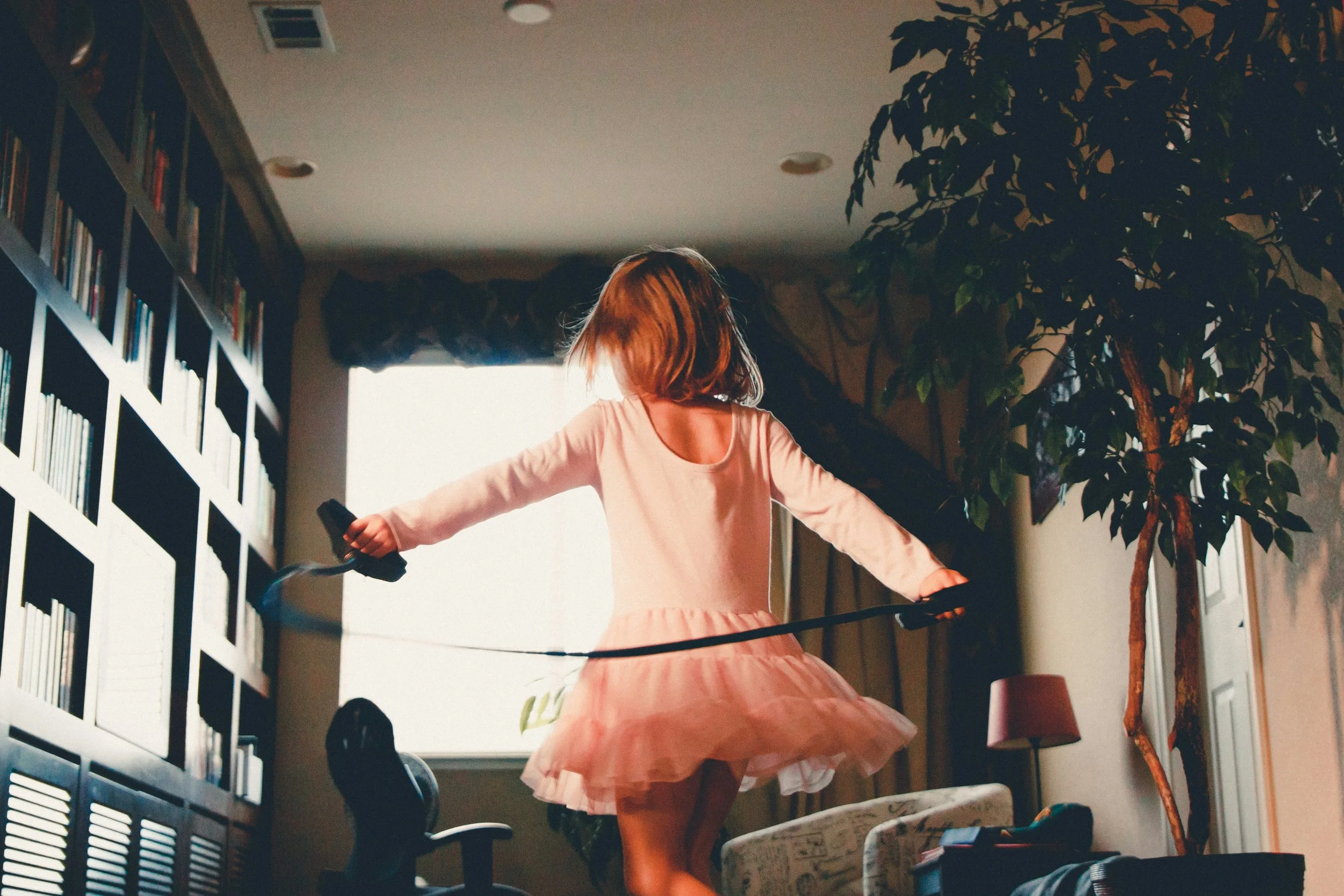
In the first year of skating, children are learning “foundational athletic skills,” which help children succeed in almost every sport, including ice skating.
Foundational athletic skills include:
Balance & Coordination
Body control
Strength
Rhythm & Agility
Confidence moving on one foot
The great news? These skills can absolutely be practiced off the ice at home.
Jump Rope
Jump roping helps improve:
Timing
Rhythm
Coordination
Quickness
Endurance
Even a few minutes at a time can help build athletic skills that transfer beautifully onto the ice.
Balance Beam Practice
Balance activities help strengthen the small stabilizing muscles skaters use constantly on the ice.
You do NOT need a real gymnastics beam. Instead, you can use:
Tape on the floor
A sidewalk line
A low curb
A wooden board close to the ground
Practice:
Walking carefully
Side stepping
Turning around slowly
Standing on one foot
Obstacle Courses
Kids LOVE obstacle courses. They can help develop agility, coordination, quickness, athletic confidence, and body awareness.
Create fun stations like
Hop on one foot
Jump over pillows
Side shuffle
Crawl under chairs
Spin in circles
Bear crawl
Frog jumps
Dance & Music Activities
Dance activities are wonderful for beginner skaters because they help improve rhythm, timing, coordination, confidence and musicality.
Simple games like freeze dance or learning basic dance moves can help skating more than many parents realize.
Strength Building the “Kid Way”
Young skaters do not need intense workouts. Playful movement is best.
Some great beginner exercises include:
Wall sits
Crab walks
Skipping
Animal walks
Scooter races
Squats
Small jumping games
These activities strengthen your skater’s legs, ankles, core muscles, posture, and stability
Final Thoughts
A temporary rink closure does not mean your skater’s progress stops.
In fact, beginner skaters often return stronger when they spend time building overall athletic ability. They do not need perfect training. They simply need to keep moving, stay active, build confidence, and stay excited about skating.
Some of the best skating development can happen OFF the ice through movement, play, and fun athletic activities at home.
For more beginner skating tips and parent resources, visit Edge Up Ice.